Euro Auto Tech & Smog to Offer Advanced ADAS Calibration in San Diego
July 29, 2025
How Euro Auto Tech & Smog Uses Tech to Advance Driver Safety Systems
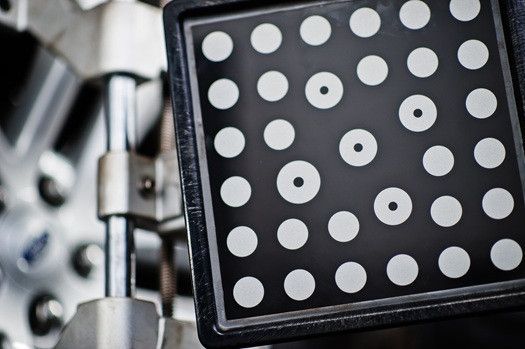
Euro Auto Tech & Smog deploys cutting-edge diagnostic equipment to guarantee ADAS systems function at peak performance levels. Their technicians utilize manufacturer-specific calibration targets and specialized software interfaces that communicate directly with vehicle control modules.
These ADAS technology advancements enable precise alignment of radar sensors and cameras within fractions of a millimeter, ensuring reliable emergency braking and lane detection. The facility's controlled calibration environment eliminates variables that could compromise accuracy.
Modern ADAS calibration encompasses both static procedures performed in controlled environments and dynamic methods conducted during road testing. Static calibration utilizes manufacturer-specific targets for camera systems, while radar sensors require precise alignment to detect objects at correct distances and speeds. Ultrasonic systems undergo extensive testing to guarantee parking assistance features and proximity warnings maintain millimeter-level accuracy throughout their operational range.
ADAS Calibration Types
Advanced Driver Assistance Systems (ADAS) calibration falls into two distinct categories: static and dynamic calibration procedures. Static calibration requires a controlled environment with precise target positioning at manufacturer-specified distances from the vehicle. This method primarily addresses forward-facing camera and radar sensor types that monitor lane markings and obstacles.
Dynamic calibration involves driving the vehicle under specific conditions while onboard computers automatically calibrate the sensors. This method is often required for side-mounted radar systems and surround-view cameras. Both calibration methods must follow strict OEM protocols to guarantee safety systems respond correctly in emergencies.
Static vs. Dynamic Methods
While both approaches serve essential purposes in maintaining ADAS accuracy, static and dynamic calibration methods differ considerably in their execution requirements and applications.
Static calibration occurs in controlled environments with precisely positioned targets at specific distances from the vehicle. Technicians utilize specialized equipment to align sensors while the vehicle remains stationary.
In contrast, dynamic calibration requires driving the vehicle at predetermined speeds on well-marked roads. The system calibrates itself by analyzing road markings and surroundings in real-time. This method is particularly effective for lane departure systems and adaptive cruise control that require motion data to establish proper parameters.
Camera-Based Calibration Procedures
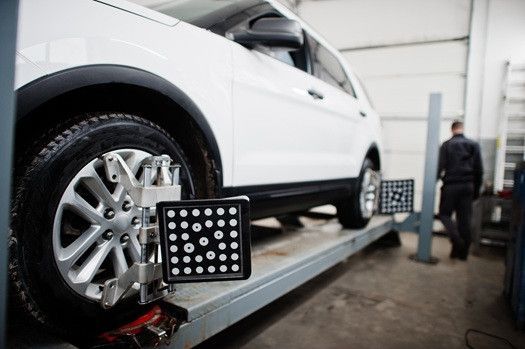
Camera-based calibration procedures represent the cornerstone of effective ADAS maintenance, requiring meticulous attention to environmental factors and positioning specifications. Technicians must establish precise distances between calibration targets and the vehicle while maintaining strict lighting conditions to prevent sensor confusion.
The process involves specialized camera alignment tools that interface directly with the vehicle's onboard computer systems. Modern calibration technology utilizes manufacturer-specific patterns and targets that cameras must recognize with pixel-perfect precision. This guarantees forward-facing cameras can accurately detect lane markings, road signs, and potential obstacles—ultimately delivering the split-second responses necessary for collision avoidance and occupant protection.
Radar Sensor Alignment
Unlike camera systems that rely on visual identification, radar sensor alignment demands exacting positional accuracy to maintain critical distance-measuring capabilities in all weather conditions. Even minor misalignments of a few millimeters can significantly compromise radar system functionality, potentially leading to delayed emergency braking responses.
Technicians use specialized equipment to evaluate sensor performance through precise measurements and calibration patterns. This process ensures that radars accurately identify vehicle proximity, speed differentials, and potential collision threats. The alignment must account for mounting angles, vehicle geometry, and manufacturer specifications to restore the system's ability to detect obstacles in fog, rain, and darkness.
Ultrasonic System Testing
Ultrasonic sensors, which provide essential proximity detection for parking assistance and low-speed maneuvering, require systematic testing to confirm they're operating within specified parameters. Technicians use specialized equipment to validate the functionality of ultrasonic sensors through a series of calibrated distance measurements.
During testing, each sensor undergoes performance verification against manufacturer thresholds. Modern ultrasonic testing techniques include obstacle simulation and response timing analysis. These precise assessments confirm that sensors accurately detect objects within their designated range, preventing potential collisions during parking operations.
Proper ultrasonic system calibration remains critical for maintaining the integrated safety network that drivers rely on daily.
Advanced Safety Starts Here—Euro Auto Tech & Smog Has You Covered
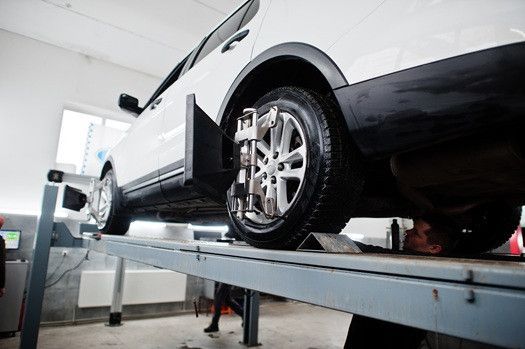
When your vehicle's ADAS systems require calibration, Euro Auto Tech & Smog delivers manufacturer-certified precision, ensuring your safety on the road. Their specialized technicians utilize the latest calibration technologies to restore your system's functionality after windshield replacements, collisions, or suspension work.
Euro Auto Tech's calibration bay features state-of-the-art equipment that interfaces directly with your vehicle's onboard computers, ensuring ADAS advancements function according to exact specifications. Each calibration includes thorough pre-diagnostics, precision alignment, and post-calibration verification—preventing potentially dangerous malfunctions in emergency braking and lane assistance systems. Their commitment to technical excellence means you drive with confidence, knowing your safety systems operate perfectly.
Contact Information:
Euro Auto Tech & Smog
7633 El Cajon Blvd #217
La Mesa, CA 91942
United States
Amer Qazzazee
(619) 439-1624