Essential BMW Servicing Tips for Longevity
January 16, 2026

To keep your BMW running strong for years, you’ll need to prioritize
regular oil changes every 7,500-10,000 miles with manufacturer-approved synthetic oils, maintain
proper tire pressure and rotation schedules, and inspect your
brake system every 10,000 miles. Don’t overlook
software updates—modern BMWs rely on sophisticated computer systems that require periodic updates for peak performance. Following your owner’s manual and maintaining detailed service records will protect your investment and maximize resale value. The sections below provide a detailed breakdown of each maintenance area.
Key Takeaways
- Change the engine oil every 7,500-10,000 miles, using manufacturer-approved synthetic oil to prevent premature wear of critical components.
- Rotate tires every 5,000-7,500 miles and maintain proper pressure to ensure even tread wear and optimal performance.
- Inspect brake pads every 10,000 miles and replace brake fluid every two years to maintain braking effectiveness.
- Schedule regular diagnostic scans and software updates to identify issues early and maintain optimal system performance.
- Follow the manufacturer’s guidelines for all servicing, use quality parts, and maintain a detailed service history for warranty and resale value.
Regular Oil Changes and Fluid Checks

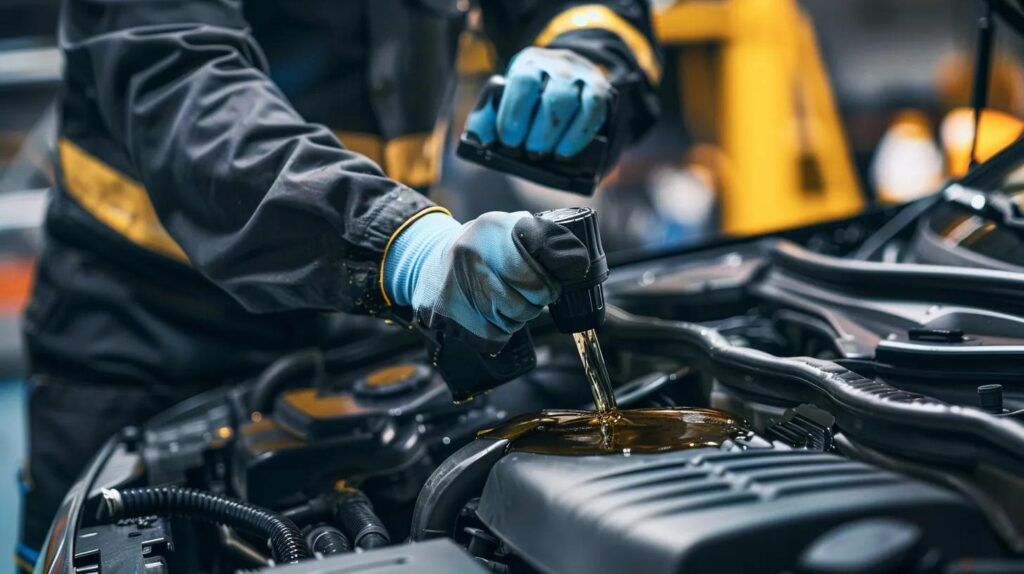
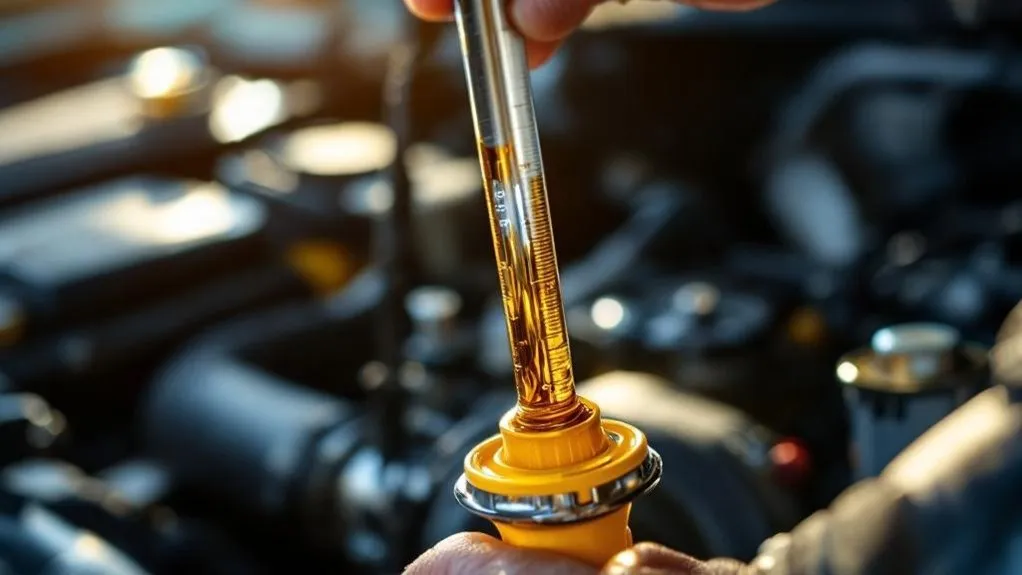
Your BMW’s engine oil serves as its lifeblood, lubricating critical components and preventing premature wear that could cost thousands in BMW repairs.
Change your oil every 7,500-10,000 miles, depending on your model and driving conditions. Don’t neglect other fluids either; coolant, brake fluid, and transmission fluid require regular attention.
Check your owner’s manual for specific intervals, as BMW’s Condition-Based Servicing monitors fluid health electronically. Use manufacturer-approved synthetic oils and fluids to maintain peak performance.
Inspect fluid levels monthly and watch for leaks under your vehicle. Fresh fluids guarantee your engine runs smoothly and extend your BMW’s lifespan considerably.
Tire Maintenance and Rotation
Proper tire maintenance stands as one of the most cost-effective ways to protect your BMW’s handling dynamics and safety.
Check your tire pressure monthly using the specifications listed on your driver’s door jamb. Underinflated tires compromise fuel efficiency and handling precision.
Rotate your tires every 5,000-7,500 miles to guarantee even tread wear. BMW’s staggered wheel setups require side-to-side rotation only.
Inspect tread depth regularly; replace tires when they reach 3/32 inches. Don’t forget seasonal changes—winter tires greatly improve traction in cold conditions.
Monitor for uneven wear patterns, which indicate alignment issues requiring immediate professional attention.
Brake System Inspection and Replacement

Because BMW’s performance capabilities depend on immediate braking performance, brake system maintenance requires consistent attention and vigilance.
Inspect your brake pads every 10,000 miles, watching for wear indicators and thickness below 3mm. You’ll notice warning signs such as squealing, grinding, or vibrations during braking.
Replace brake fluid every two years since it absorbs moisture, reducing effectiveness and causing corrosion. Don’t ignore dashboard warning lights—they signal an immediate need for attention.
High-performance driving accelerates brake wear, so adjust inspection intervals accordingly.
Professional technicians should inspect rotors, calipers, and brake lines during routine service to ensure optimal safety and performance.
Keeping up With Software Updates and Diagnostics
While mechanical components like brakes require hands-on maintenance, modern BMWs also rely on sophisticated software systems that require regular updates to function effectively.
Your BMW’s onboard computers control everything from engine performance to safety features, making software updates essential for peak operation.
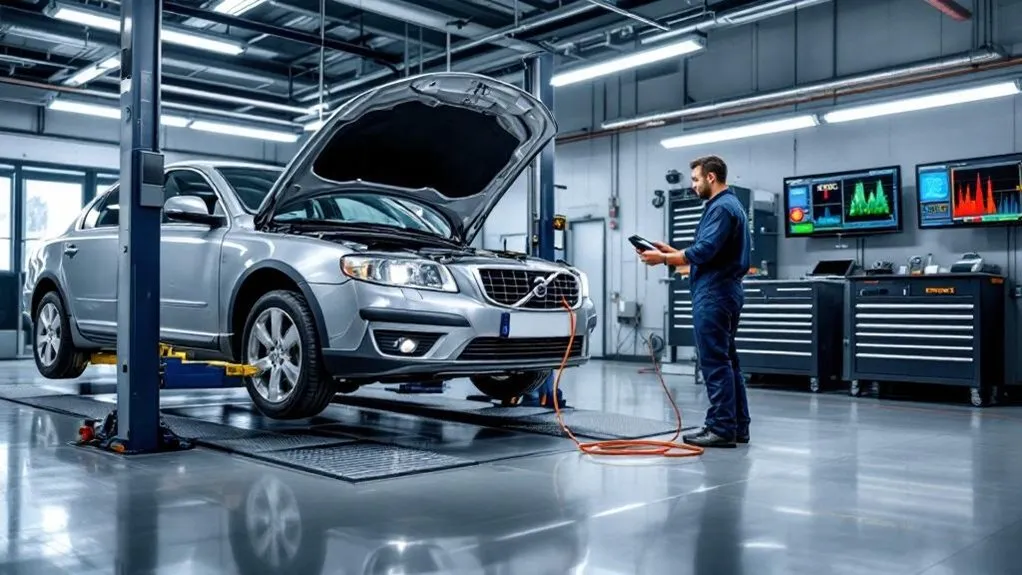
Schedule diagnostic scans during routine service appointments to catch potential issues before they become problems.
These scans reveal error codes and system malfunctions that aren’t always visible. You’ll also receive critical software patches that improve fuel efficiency, enhance performance, and fix bugs.
Don’t ignore update notifications—they’re designed to keep your BMW running at prime condition and maintain its resale value.
Frequently Asked Questions
How Often Should I Replace My Bmw's Air Filter?
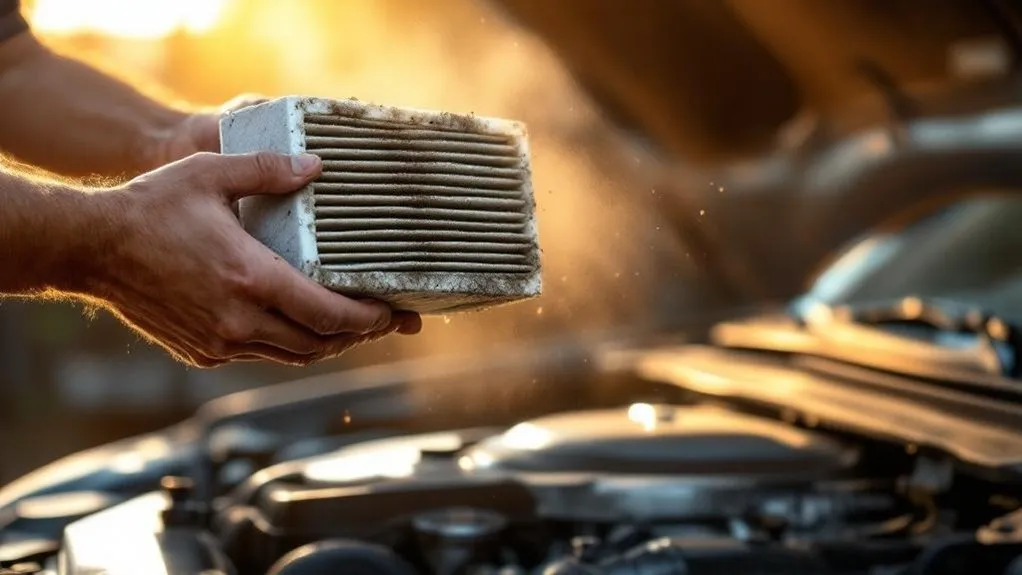
You should replace your BMW’s air filter every 15,000 to 30,000 miles, depending on your driving conditions.
If you frequently drive in dusty or polluted environments, you’ll need to replace it more often.
Check your owner’s manual for specific recommendations for your model.
A clogged air filter reduces engine performance and fuel efficiency, so don’t neglect this simple maintenance task.
Inspect it regularly and replace it when it’s visibly dirty or damaged.
What Is the Recommended Interval for Spark Plug Replacement?
You’ll typically need to replace your BMW’s spark plugs every 30,000 to 50,000 miles, though this varies by model and engine type.
Newer BMWs with long-life spark plugs can go up to 100,000 miles. Check your owner’s manual for your specific vehicle’s requirements.
If you’re experiencing rough idling, poor acceleration, or decreased fuel efficiency, don’t wait—replace them sooner.
Regular replacement guarantees peak engine performance and prevents costly damage.
Should I Use Premium Fuel for My BMW?
Yes, you should use premium fuel for your BMW. Most BMW models require 91 octane or higher to perform optimally.
Premium fuel prevents engine knocking, guarantees proper combustion, and helps maintain your vehicle’s performance and fuel efficiency. Using lower-octane fuel can trigger the engine’s knock sensors, reducing power output and potentially causing long-term damage.
While it’s more expensive, premium fuel protects your investment and keeps your BMW running as the engineers intended.
How Do I Properly Maintain My BMW's Leather Interior?
You’ll want to vacuum your leather seats weekly and wipe them down with a damp microfiber cloth to remove dust and dirt.
Apply a pH-balanced leather cleaner monthly, followed by a quality conditioner to prevent cracking and fading.
Keep your BMW out of direct sunlight when possible, and use sunshades to protect the leather from UV damage.
Avoid harsh chemicals and always blot spills immediately to prevent staining.
When Should I Replace the Timing Belt or Chain?
Most BMWs use timing chains rather than belts, and they’re designed to last the engine’s lifetime.
However, you should inspect your chain every 60,000-100,000 miles for wear. If you hear rattling during startup or notice rough idling, it’s time to replace it.
Check your owner’s manual for specific recommendations; older models with timing belts typically require replacement every 50,000-70,000 miles.
Don’t delay; timing component failure can cause severe engine damage.

Conclusion
Your BMW’s longevity depends on your commitment to consistent maintenance. By staying on top of oil changes, monitoring fluids, rotating tires, and inspecting brakes regularly, you’ll prevent costly repairs down the road. Don’t overlook software updates—they’re just as essential as mechanical upkeep. Treat your BMW with the care it deserves, and it’ll reward you with years of exceptional performance. Remember, preventive maintenance isn’t an expense; it’s an investment in your vehicle’s future.