

5 Key Warning Signs Your Car’s Air Conditioning or Heating System Needs Service


December 15, 2025

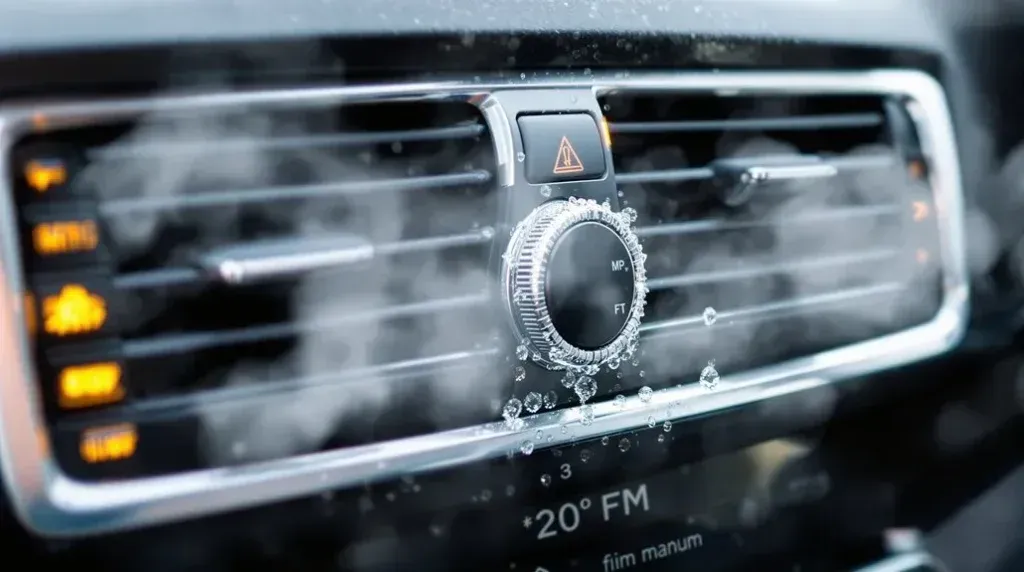
Cold air from the air conditioning dashboard of the car (AI-Generated) | Euro Auto Tech & Smog

Your car’s HVAC system sends clear warning signals before failing. You’ll notice weak or inconsistent airflow from vents, indicating clogged filters or damaged components. Strange noises such as squealing, grinding, or rattling indicate worn belts, motor issues, or loose parts. Unpleasant odors—musty, sweet, or burning—signal mold growth, coolant leaks, or electrical problems. Temperature control issues prevent your system from heating or cooling properly. Visible leaks around components require immediate attention to avoid costly damage and restore comfort.

Key Takeaways

  • Weak or inconsistent airflow from vents indicates clogged filters, blocked ducts, or failing blower motor components.
  • Strange noises such as squealing, grinding, or rattling may indicate worn belts, damaged fan blades, or loose system components.
  • Unpleasant odors, including musty, sweet, or burning smells, signal mold growth, coolant leaks, or electrical issues.
  • Poor temperature control, with warm air from the AC or lukewarm heat, indicates refrigerant or coolant issues.
  • Visible leaks or moisture around climate components indicate refrigerant leaks, clogged drains, or cooling-system failures.

Weak or Inconsistent Airflow From Your Vents

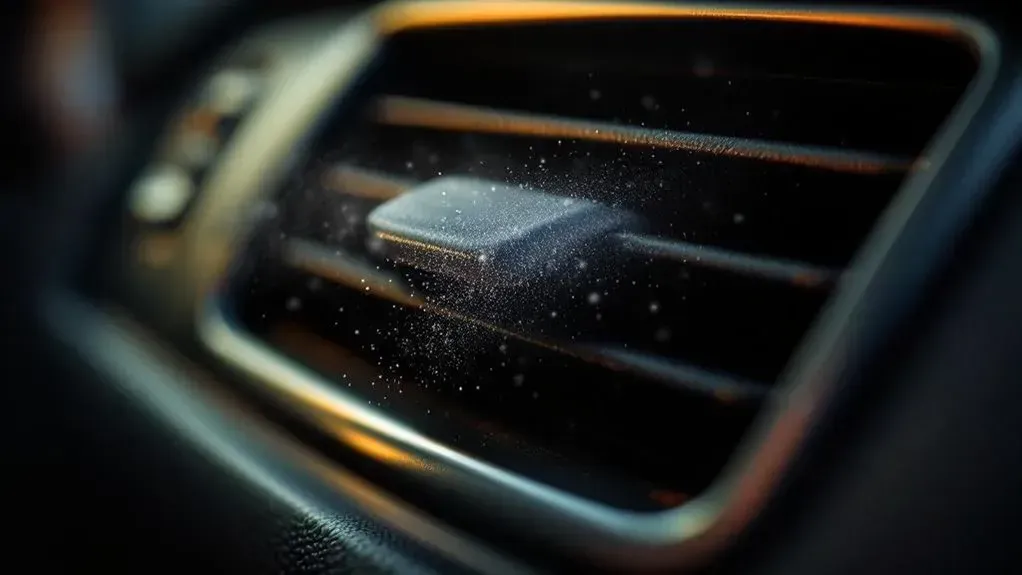
Pollen inside of car from dashboard (AI-Generated) | Euro Auto Tech & Smog

Something’s definitely wrong when you turn your car’s climate control to maximum but barely feel any air coming through the vents. This low airflow typically indicates a clogged cabin air filter that’s restricting airflow.


You might also notice inconsistent airflow, with some vents blowing strongly while others barely move. This suggests blocked ducts or damaged blower motor components.


Don’t ignore intermittent airflow that starts strong then weakens – it’s often a failing blower motor or electrical connection issue.


Address these problems quickly because poor airflow strains your system, increases fuel consumption, and compromises your comfort and safety.

Strange Noises Coming From Your HVAC System

When unusual sounds come from your car’s HVAC system, they indicate that something’s malfunctioning inside.


Squealing noises often indicate worn belts or bearing problems in the blower motor. Grinding sounds suggest damaged fan blades or motor components that need immediate attention. Rattling typically means loose debris, broken mounting brackets, or failing parts within the system.


You shouldn’t ignore clicking sounds either—they often indicate electrical relay issues or compressor problems. Hissing noises may indicate refrigerant leaks or blocked air passages.


Any persistent, unusual sound from your HVAC system warrants professional inspection to prevent costly repairs and guarantee reliable climate control.

Unpleasant Odors When Running Heat or Air Conditioning

Pollen coming from AC of inside of the car (AI-Generated) | Euro Auto Tech & Smog

Foul odors from your car’s HVAC system indicate specific issues that require attention.


musty, moldy odor indicates bacterial or mold growth in your evaporator core or ductwork, often due to moisture buildup.


Sweet-smelling coolant indicates a leak from your heater core, which can damage your engine if left unaddressed.


Burning odors might mean electrical issues, overheated components, or debris in your system.


Rotten-egg odors could indicate catalytic converter issues affecting your cabin air.


Don’t mask these odors with air fresheners—they’re warning signs of underlying issues.


Address unpleasant HVAC smells promptly to prevent costly repairs and maintain healthy cabin air quality.

Temperature Control Issues and Poor Cooling or Heating Performance

Temperature fluctuations and inadequate heating or cooling indicate serious HVAC system malfunctions that shouldn’t be ignored.


When your air conditioner blows warm air or takes a long time to cool your vehicle, you’re likely dealing with refrigerant leaks, compressor failure, or clogged filters.


Similarly, if your heater produces lukewarm air or inconsistent temperatures, you might’ve coolant issues, a faulty thermostat, or heater core problems.


You’ll also notice your system working harder than usual, cycling on and off frequently, or struggling to maintain your desired temperature setting.


These symptoms indicate it’s time for a professional diagnosis and repair.

Visible Leaks or Moisture Around Your Climate Control Components

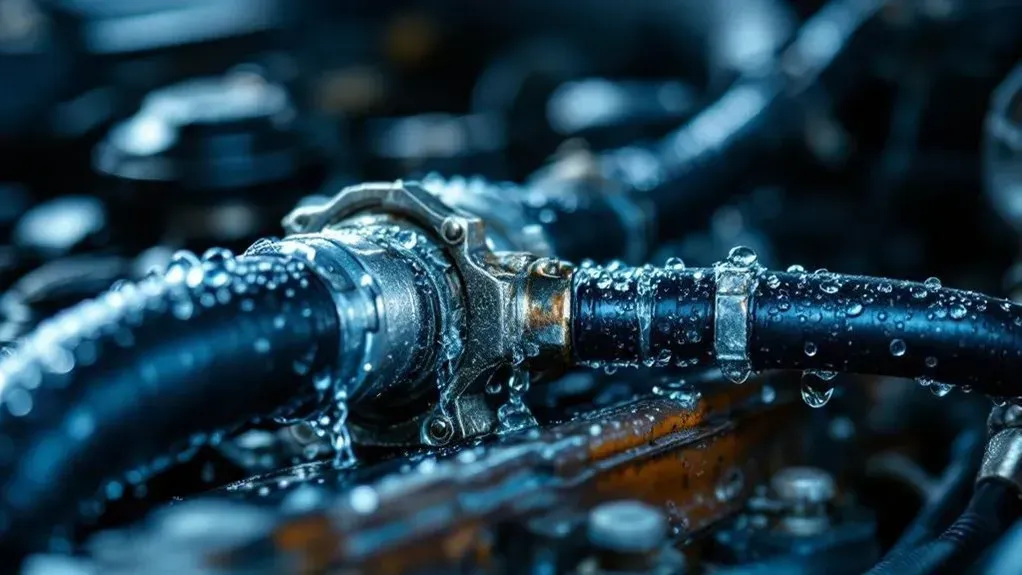
Water inside the pipes of vehicle (AI-Generated) | Euro Auto Tech & Smog

Although moisture around your car’s climate control system may seem minor, visible leaks can indicate serious issues that require immediate attention.


You’ll typically spot refrigerant leaks as oily residue near the compressor, condenser, or evaporator components.


Water pooling under your dashboard often indicates a clogged evaporator drain or damaged seals.


Don’t ignore sweet-smelling coolant leaks from your heater core, as they can cause expensive interior damage and health hazards.


Green, orange, or pink fluid beneath your vehicle indicates a cooling system issue affecting your heater.


Address these leaks promptly to prevent costly repairs and maintain your system’s efficiency.

Frequently Asked Questions

How Often Should I Replace My Cabin Air Filter?

You should replace your cabin air filter every 12,000 to 15,000 miles or once a year, whichever comes first.

However, if you drive in dusty conditions, heavy traffic, or areas with poor air quality, you’ll need to change it more frequently—possibly every 6 months.

Check your owner’s manual for specific recommendations.

clogged filter reduces airflow and air quality inside your vehicle.

What's the Difference Between R-134a and R-1234yf Refrigerants?

R-134a and R-1234yf differ primarily in their environmental impact.

You’ll find R-134a in older vehicles, but it has a high global warming potential.

R-1234yf is the newer, eco-friendly replacement that’s now standard in most cars manufactured after 2013.

It’s less harmful to the environment but costs more to service.

You can’t interchange them – your car’s designed for one specific type, so always use what’s recommended.


Can I Recharge My Car's AC System Myself at Home?

You can recharge your car’s AC system yourself using DIY refrigerant kits available at auto parts stores.

However, it’s not always recommended. If you’re adding refrigerant to a low system, it’s relatively straightforward.

But if there’s a leak or other underlying issues, you’ll need professional diagnosis and repair.

Overcharging can damage your system, so follow instructions carefully and consider having a technician handle complex problems.


How Much Does Professional HVAC System Repair Typically Cost?

You’ll typically pay between $100 and $800 for professional HVAC repairs on your car, depending on the issue.

Simple fixes like refrigerant recharges cost $100-$200, while compressor replacements can reach $500-$800.

Blower motor repairs typically range from $200 to $400, and heater core replacements from $400 to $600.

Labor rates vary by location, but you’re looking at $80-$150 per hour.

Get quotes from multiple shops, as prices can vary widely between dealers and independent mechanics.


Should I Run My AC During Winter Months?

You typically shouldn’t run your AC during the winter months, as you need heating instead.

However, you should occasionally turn it on for a few minutes monthly to keep the system lubricated and prevent seals from drying out. This brief operation maintains your AC’s health without wasting energy.

If you’re using defrost mode, your AC automatically runs to remove moisture from windows, which is normal and beneficial.

Conclusion

Don’t ignore these warning signs—your comfort and safety depend on reliable HVAC services. If you’ve noticed weak airflow, unusual noises, unpleasant odors, temperature control issues, or visible leaks, it’s time to schedule professional service. Addressing these problems early with expert air conditioning heating services helps prevent costly repairs and ensures consistent comfort throughout the year. Contact a qualified technician today to diagnose and repair your heating and cooling system before minor issues turn into major ones.

Technician adjusting knob on engine of vehicle (AI-Generated) | Euro Auto Tech & Smog
February 26, 2026
Maintain your BMW's performance with essential maintenance tips. From regular inspections to fluid checks, ensure your car runs smoothly for years to come.

Blue BMW car parked inside of garage (AI-Generated) | Euro Auto Tech & Smog
January 16, 2026
Keep your BMW in peak condition with our top servicing tips. Extend longevity and enhance performance with essential maintenance strategies for your vehicle.
Up close to rain drops outside of black vehicle (AI-Generated) | Euro Auto Tech & Smog
November 27, 2025
This critical calibration process prevents your ADAS from dangerously malfunctioning—but most drivers don't realize when their systems drift out of alignment.

Technician adjusting knob on dashboard (AI-Generated) | Euro Auto Tech & Smog
August 21, 2025
Keep your car's AC running efficiently through San Diego's intense summer heat with these critical maintenance steps that most drivers overlook.
Car inside garage on lift with technician performing diagnostic (AI-Generated) | Euro Auto Tech & Smog
August 21, 2025
Discover how to find reliable engine diagnostic services in San Diego County for $100-150 without falling victim to costly scams.
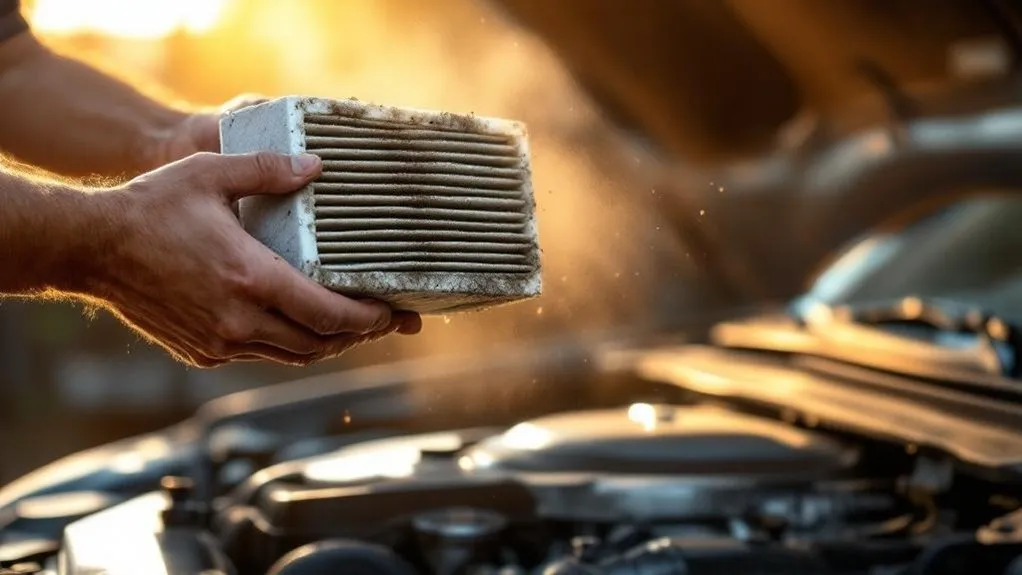
Technician taking out dirty air filter (AI-Generated) | Euro Auto Tech & Smog
July 22, 2025
Unlock the secret strategies that guarantee your vehicle passes smog inspection on the first attempt without costly repairs or retests.
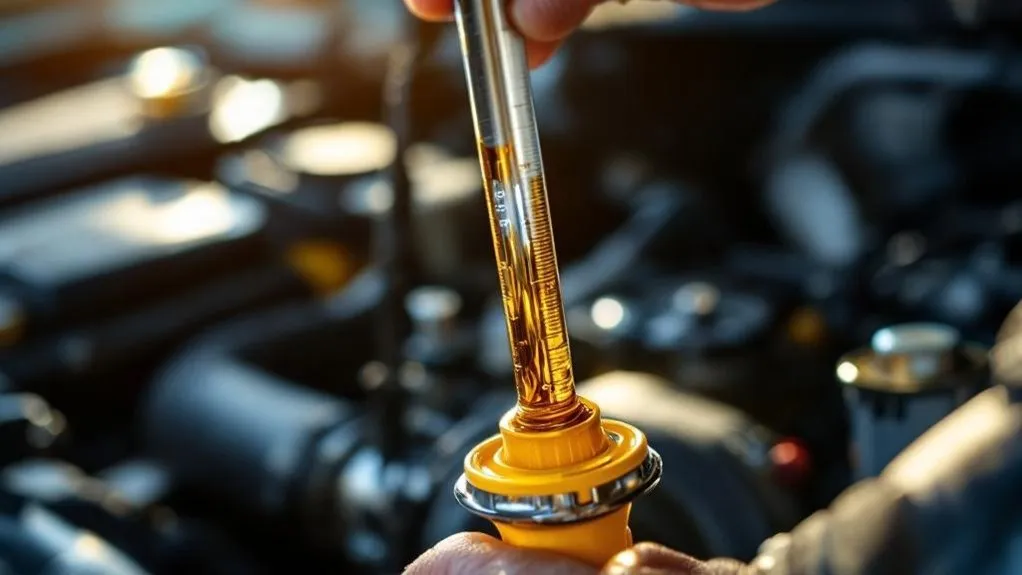
Oil being poured into car | Euro Auto Tech & Smog
July 22, 2025
Here's how to check your oil level in minutes—but what that dark, mysterious residue on your dipstick reveals might surprise you.
Two cars in garage, one car on lift and one car with the hood up (AI-Generated) | Euro Auto Tech & Smog
June 24, 2025
Imagine preventing thousands in repair costs with simple inspections that catch expensive problems before they become financial disasters.
Technician with magnifying glass examining part underneath vehicle (AI-Generated) | Euro Auto Tech & Smog
June 24, 2025
Identify critical transmission warning signs like grinding noises, burning smells, and gear slipping before costly repairs become complete system failure