What Are The Key Tips for BMW Maintenance?


February 26, 2026

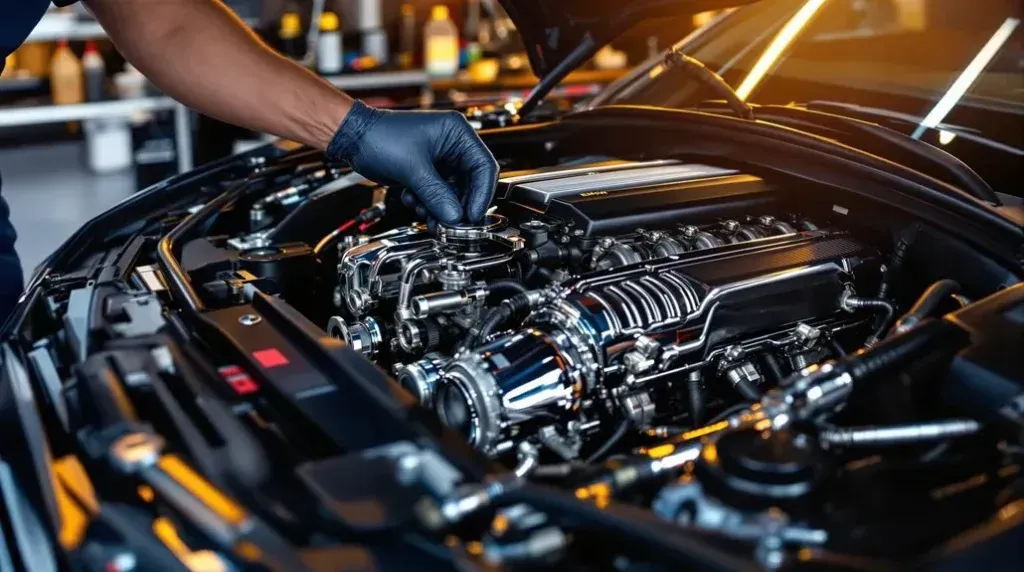
Technician adjusting knob on engine of vehicle (AI-Generated) | Euro Auto Tech & Smog

You’ll maintain your BMW’s peak performance by following the Condition-Based Service system alerts, using only BMW-approved fluids and genuine OEM parts, and monitoring critical engine components monthly. Replace brake fluid every two years, inspect brake components every 10,000 miles, and schedule electrical system diagnostics annually. Don’t ignore dashboard warning lights or small leaks, as they can lead to expensive repairs. These essential practices will protect your investment and guarantee your BMW runs like new for years to come.

Key Takeaways

  • Follow BMW’s Condition-Based Service system alerts and schedule maintenance promptly to prevent costly repairs and extend component life.
  • Use only BMW-approved fluids and genuine OEM parts to maintain optimal performance and protect your vehicle investment.
  • Monitor coolant levels monthly, replace the thermostat every 60,000 miles, and service the cooling system every 100,000 miles.
  • Inspect brake components every 10,000 miles and replace brake fluid every two years to prevent moisture contamination.
  • Schedule electrical system diagnostics every 12-18 months and keep software updated through authorized BMW service centers.

Follow BMW's Recommended Service Intervals and Condition-Based Service System

Up close to under hood of BMW car (AI-Generated) | Euro Auto Tech & Smog

While traditional vehicles rely on fixed mileage intervals, BMW’s innovative Condition-Based Service (CBS) system monitors your car’s actual usage patterns and driving conditions to determine when BMW maintenance is truly needed.


You’ll receive alerts on your iDrive display when specific components require attention, such as engine oil, brake fluid, or brake pads.


Don’t ignore these notifications—they’re based on real-time data from multiple sensors throughout your vehicle.

Schedule service promptly when CBS indicators appear, as delaying can lead to costly repairs.


This intelligent system optimizes maintenance timing, potentially extending component life while ensuring peak performance and reliability.

Use Only BMW-Approved Fluids and Genuine OEM Parts

Although aftermarket alternatives might seem cost-effective, BMW’s precision engineering demands specific fluids and components that meet the manufacturer’s exact specifications.


Using non-approved products can compromise your vehicle’s performance and potentially void your warranty.


Here’s why genuine parts matter:

  • Engine oil specifications – BMW requires specific viscosity grades and formulations (like LL-01 or LL-04) that protect advanced engine technologies.
  • Brake fluid compatibility – DOT 4 Low Viscosity fluid ensures peak performance of the ABS and DSC systems.
  • Coolant chemistry – BMW’s phosphate-free coolant prevents corrosion in aluminum components.


You’ll maintain peak performance while protecting your investment by selecting the right fluids and parts.

Monitor and Maintain Critical Engine Components and Cooling Systems

Up close to under hood of BMW car (AI-Generated) | Euro Auto Tech & Smog

Beyond selecting the right fluids and parts, your BMW’s engine and cooling systems require regular monitoring to prevent costly failures.


Check coolant levels monthly and inspect hoses for cracks or bulging. Replace your thermostat every 60,000 miles, as failure can cause overheating damage.


Monitor oil consumption closely—BMW engines typically consume up to 1 quart per 1,000 miles. Watch for warning signs like unusual noises, temperature fluctuations, or dashboard alerts.


Service your cooling system every 100,000 miles with proper BMW coolant. Don’t ignore small leaks; they often indicate larger problems developing within these interconnected systems.

Perform Regular Brake System Inspections and Fluid Changes

Since BMW’s high-performance braking systems generate tremendous heat and stress, you’ll need to inspect brake components every 10,000 miles and replace brake fluid every two years.


Your brake system needs attention because moisture contamination lowers the fluid’s boiling point, leading to brake fade during aggressive driving.


Watch for warning signs like spongy pedal feel, grinding noises, or vibration during braking.


Essential brake maintenance includes:

  • Check brake pad thickness – Replace when pads reach 3mm remaining material
  • Inspect rotors for scoring – Resurface or replace warped/damaged rotors immediately
  • Bleed brake lines annually – Remove air bubbles and moisture contamination


Don’t compromise safety by neglecting these critical components.

Keep up With Electrical System Diagnostics and Software Updates

Man performing diagnostics inside of car (AI-Generated) | Euro Auto Tech & Smog

BMW’s sophisticated electrical architecture requires regular diagnostic scans and software updates to maintain peak performance and prevent costly failures.


You’ll need specialized diagnostic tools or professional service to identify hidden faults before they become major problems. Schedule electrical system checks every 12-18 months, especially for models with advanced driver assistance features.


Don’t ignore dashboard warning lights or intermittent electrical issues—they’re often early indicators of developing problems.

Keep your vehicle’s software up to date through authorized BMW service centers, as updates improve functionality, fix bugs, and enhance security.


Regular diagnostics catch issues early, saving you significant repair costs later.

Frequently Asked Questions

How Often Should I Wash and Wax My BMW to Protect the Paint?

You should wash your BMW every two weeks and wax it every three to four months to effectively protect the paint.

If you drive frequently in harsh conditions like salt, dirt, or heavy pollution, you’ll need to wash more often.

Don’t let contaminants sit on the surface too long, as they’ll damage the clear coat.

Regular washing and quarterly waxing will maintain your BMW’s glossy finish and preserve its resale value in the long term.


What Tire Pressure Should I Maintain for Optimal Performance and Safety?

You should maintain your BMW’s tire pressure according to the specifications listed on your door jamb sticker or owner’s manual, typically ranging from 30-35 PSI.

Check your tire pressure monthly when tires are cold, before driving. Proper inflation guarantees peak fuel economy, tire longevity, and handling performance.

Under-inflated tires cause poor fuel economy and premature wear, while over-inflation reduces traction and creates an uncomfortable ride.

Don’t rely solely on your tire pressure monitoring system.


How Do I Properly Store My BMW During the Winter Months?

You’ll want to thoroughly clean your BMW, then store it in a dry, covered area, such as a garage.

Fill the gas tank and add fuel stabilizer to prevent moisture buildup.

Remove the battery or connect a trickle charger to maintain a charge.

Inflate tires to the proper pressure and consider tire cradles to prevent flat spots.

Cover your car with a breathable cloth cover, and start it monthly if possible for short periods.


Should I Use Premium Gasoline or Is Regular Fuel Acceptable?

You should use premium gasoline in your BMW.

Most BMW engines are designed for premium fuel with an octane rating of 91 or higher.

Using regular fuel can cause engine knocking, reduced performance, and potentially long-term damage.

While your car might run on regular gas, you’ll notice decreased power and efficiency.

Premium fuel helps your engine perform at its best and protects your investment.

Check your owner’s manual for specific octane requirements.


How Often Should I Replace My BMW's Cabin Air Filter?

You should replace your BMW’s cabin air filter every 15,000-20,000 miles or annually, whichever comes first.

If you frequently drive in dusty conditions or heavy traffic, you’ll need to replace it more often. A clogged filter reduces airflow and air quality inside your cabin.

You’ll notice decreased ventilation performance, musty odors, or increased dust when it’s time for replacement.

Check your owner’s manual for recommendations for your specific model.
Conclusion

You’ll keep your BMW running at peak performance by sticking to these essential maintenance practices. Don’t skip scheduled services or cut corners with aftermarket parts—your engine’s longevity depends on quality components and fluids. Stay proactive with brake inspections and cooling system checks to avoid costly repairs down the road. Most importantly, keep your electrical systems up to date to maintain your BMW’s advanced features and overall reliability.

Blue BMW car parked inside of garage (AI-Generated) | Euro Auto Tech & Smog
January 16, 2026
Keep your BMW in peak condition with our top servicing tips. Extend longevity and enhance performance with essential maintenance strategies for your vehicle.
Cold air from the air conditioning dashboard of the car (AI-Generated) | Euro Auto Tech & Smog
December 15, 2025
5 Key Warning Signs Your Car’s Air Conditioning or Heating System Needs Service
Up close to rain drops outside of black vehicle (AI-Generated) | Euro Auto Tech & Smog
November 27, 2025
This critical calibration process prevents your ADAS from dangerously malfunctioning—but most drivers don't realize when their systems drift out of alignment.
Technician adjusting knob on dashboard (AI-Generated) | Euro Auto Tech & Smog
August 21, 2025
Keep your car's AC running efficiently through San Diego's intense summer heat with these critical maintenance steps that most drivers overlook.
Car inside garage on lift with technician performing diagnostic (AI-Generated) | Euro Auto Tech & Smog
August 21, 2025
Discover how to find reliable engine diagnostic services in San Diego County for $100-150 without falling victim to costly scams.
Technician taking out dirty air filter (AI-Generated) | Euro Auto Tech & Smog
July 22, 2025
Unlock the secret strategies that guarantee your vehicle passes smog inspection on the first attempt without costly repairs or retests.
Oil being poured into car | Euro Auto Tech & Smog
July 22, 2025
Here's how to check your oil level in minutes—but what that dark, mysterious residue on your dipstick reveals might surprise you.
Two cars in garage, one car on lift and one car with the hood up (AI-Generated) | Euro Auto Tech & Smog
June 24, 2025
Imagine preventing thousands in repair costs with simple inspections that catch expensive problems before they become financial disasters.
Technician with magnifying glass examining part underneath vehicle (AI-Generated) | Euro Auto Tech & Smog
June 24, 2025
Identify critical transmission warning signs like grinding noises, burning smells, and gear slipping before costly repairs become complete system failure